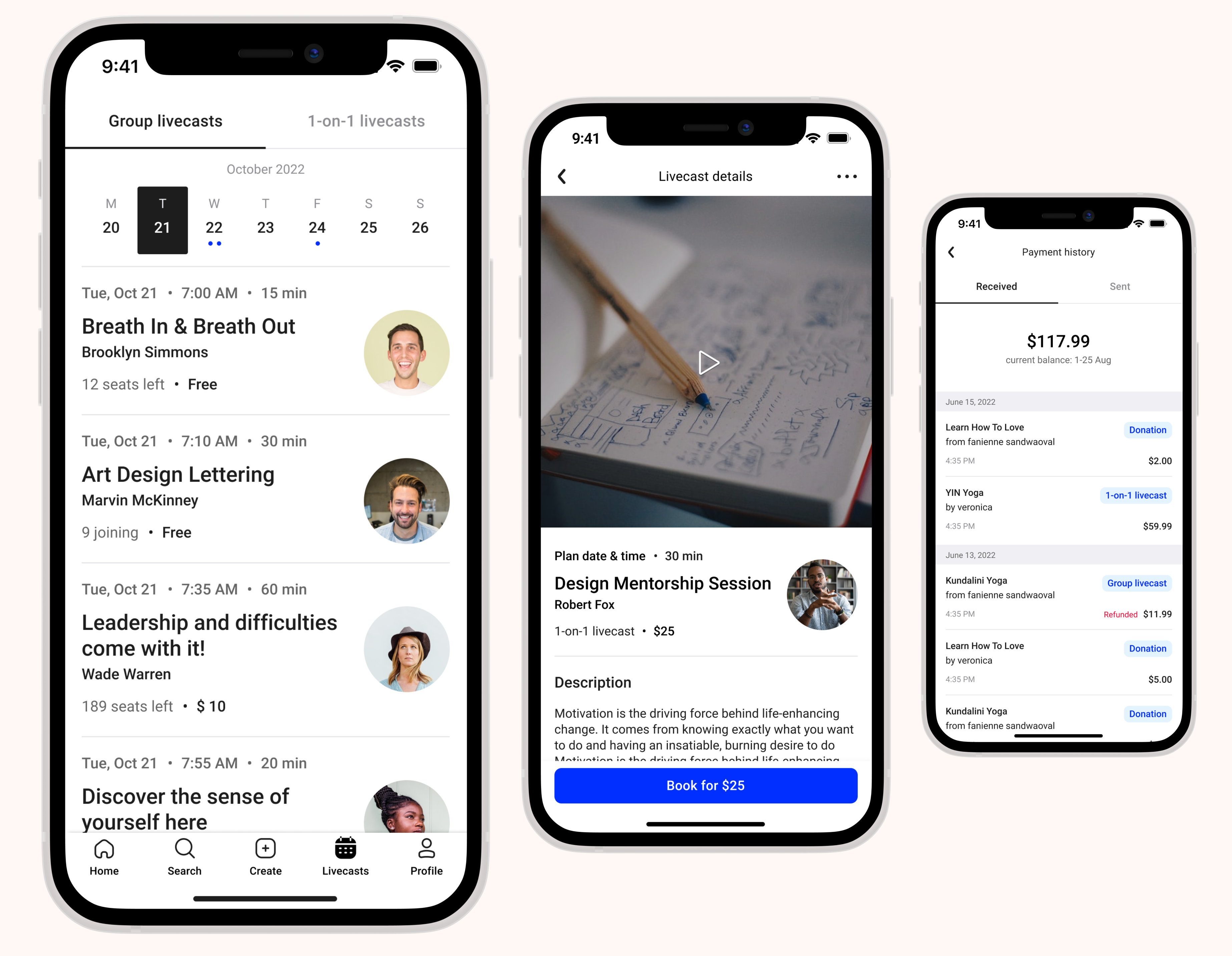
The stakeholder has a unique and bold idea to fundamentally change the way how people participate in golf tournaments, World Championship, Golf Tour Events, etc. I was a solo Product Designer in this project and hadn't known enough about golf as the sport itself, which is raised more challenges for me during the Design Thinking process.
Create an experience where people can seamlessly sign in to the tournaments, input all of their results during the game mode and receive money/gift as rewards.
Since my knowledge of golf was limited to few movie scenes I've seen throughout my file, my first step was to gain as much information I can through internet research, golf rule books, YouTube videos of golf lessons and golf tournaments; additionally, I read Golf News. Also, I should mention that the stakeholder has been a great help since he's a golf player himself. He always was ready to discuss all of the question/confusions I had regarding golf play structure and tournament rules.
Conducting competitive analysis, I've identified how our product stands out among other competitors and assesses the strengths and weaknesses of their products:
I later presented to stakeholder in Miro* board. I came up with a strategic plan for our MVP based on product idea and findings of competitive analysis.
*Miro board is one of the main tools I use to visually present/collect project notes, findings and thoughts. Plus incredibly easy way to collaborate and communicate with other teammates during brainstorming and meetings.
Stakeholder' Home Golf Club kindly helped us to send out survey and conduct interviews to learn what players think and feel about:
Interestedly enough, more than 80% interviewed were males and all of interviewed people were eager and intrigued of testing GolfPlay Mode (incl. QeSC) and at the same time they voiced fear what if during the game or after they send their results something happens with application or QeSC system itself and data get lost.
Worth mentioning that stakeholder conducted user interviews because it was in the German language, I analysed findings afterwards and moved forward with building User Persona, etc.
Based on our findings from user interviews and surveys, I've created User Persona and built an empathy connection between our development team and our users.
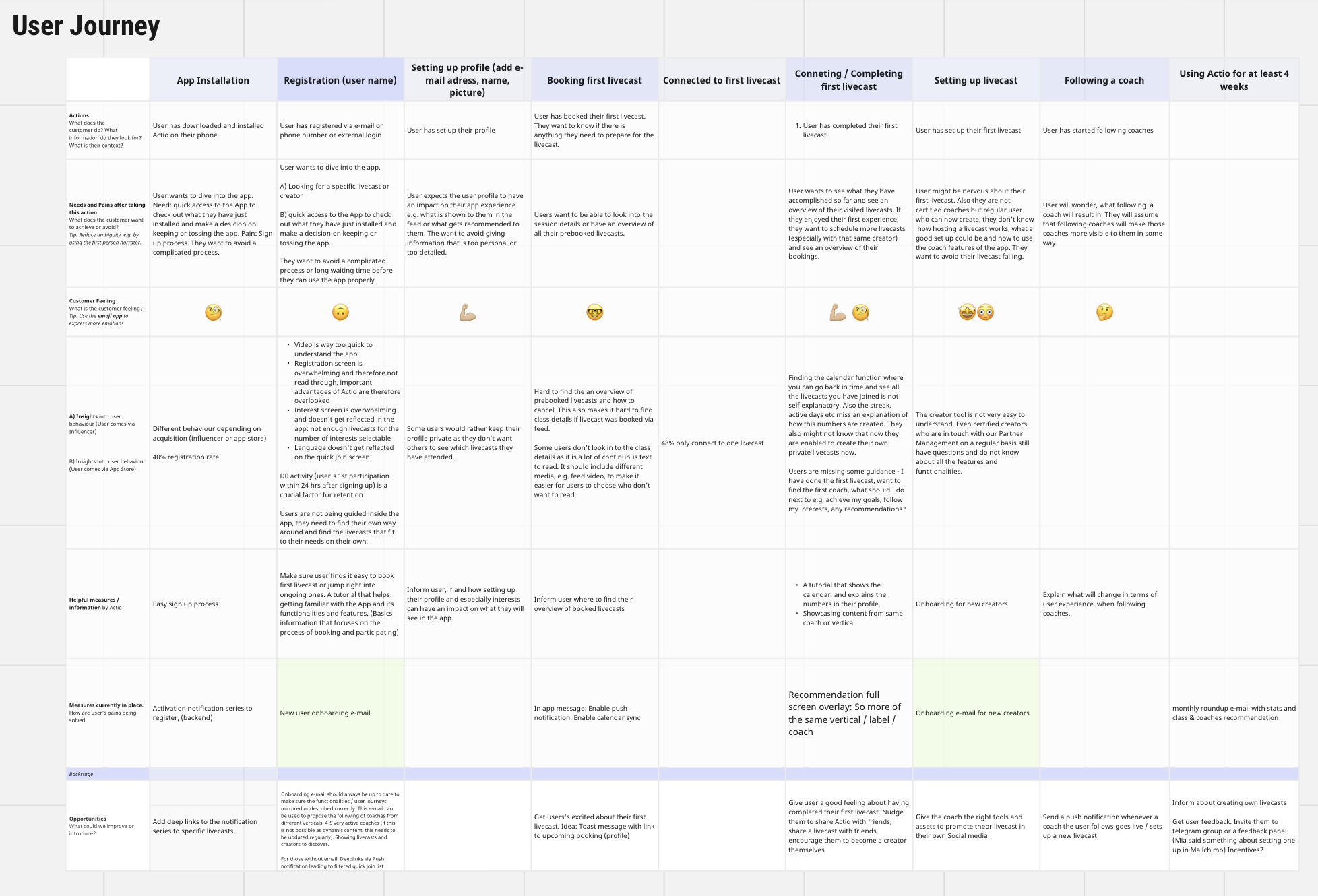
I has been a product designer working on the task to integrate monetisation feature into the app that has been alive for more then two years. At the moment where I joined the team UX Researcher has already put together User Journey [see img below]
After that the next step has been to work on (IA) Information Architecture of the app where monetisation will be the part of the experience for customer & expert.
I designed IA based on all of the findings I gathered from competitive analysis and user interviews and surveys. Below you see a high-level overview of project components:
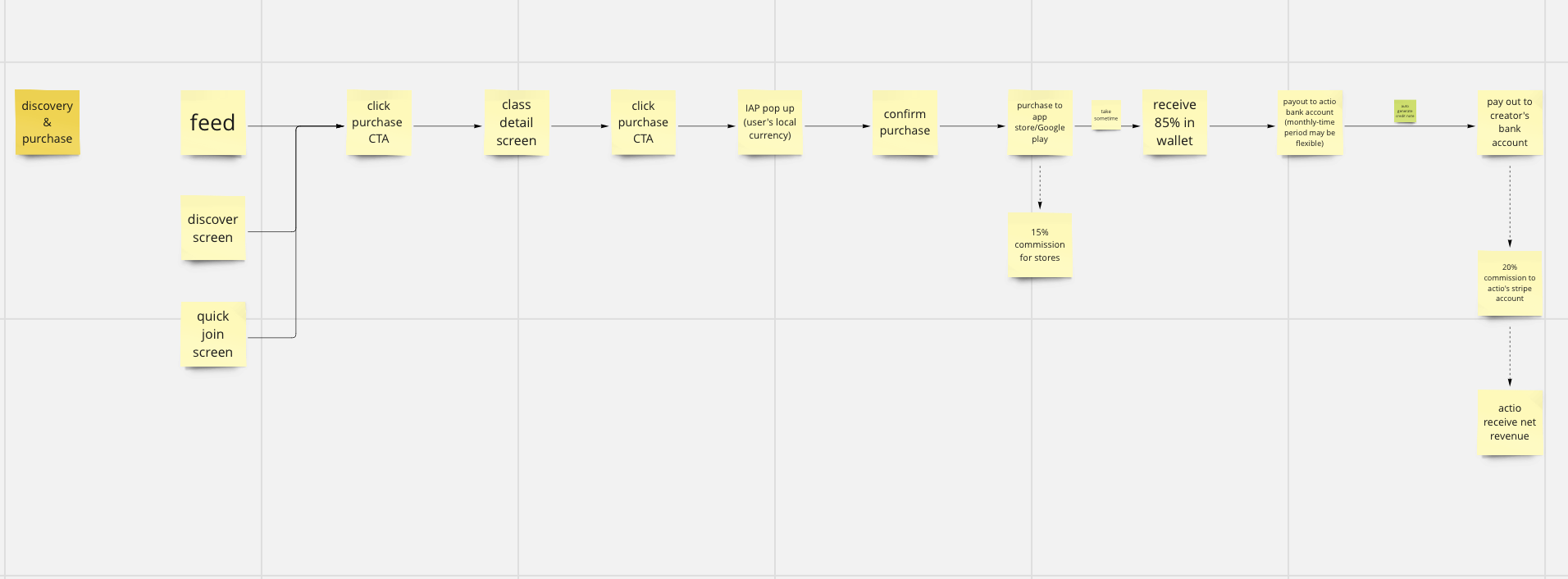
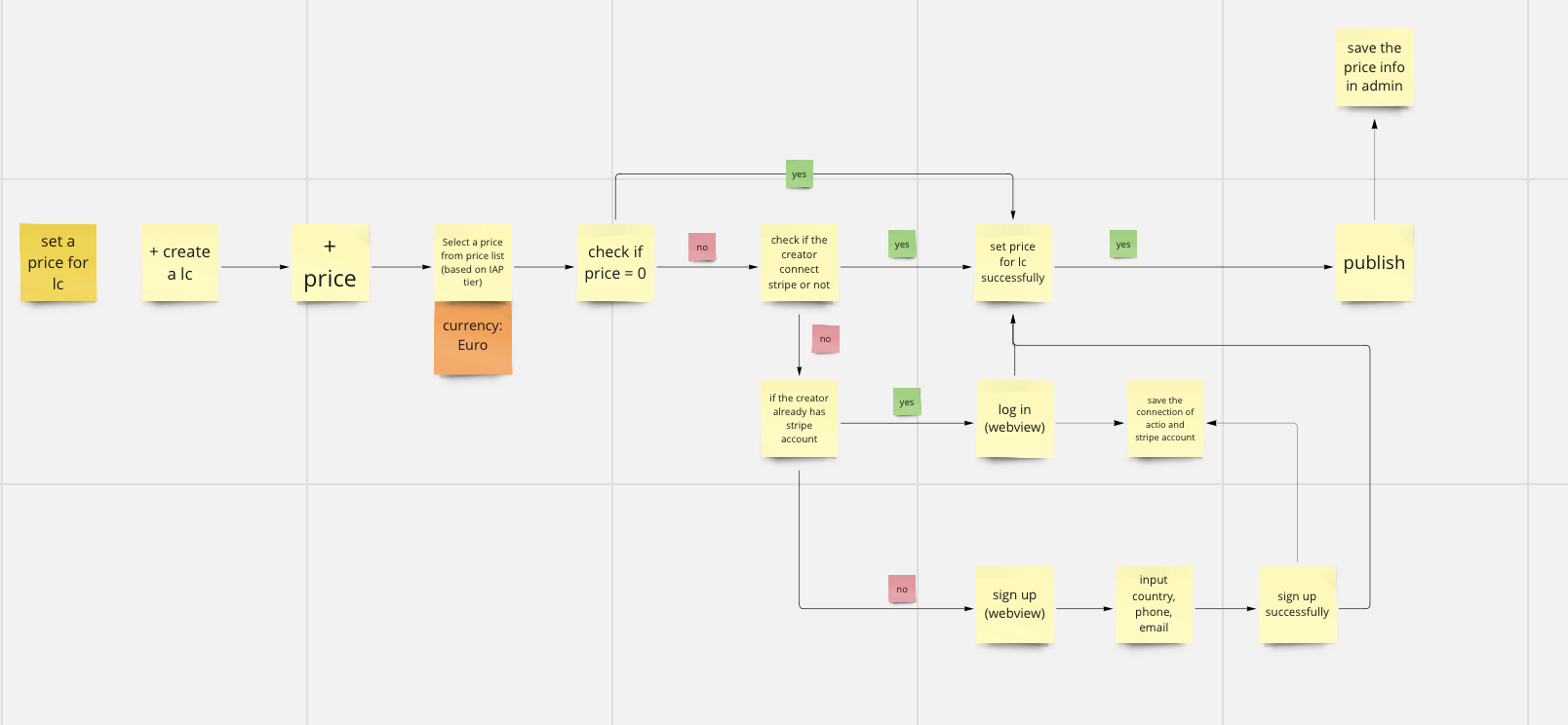
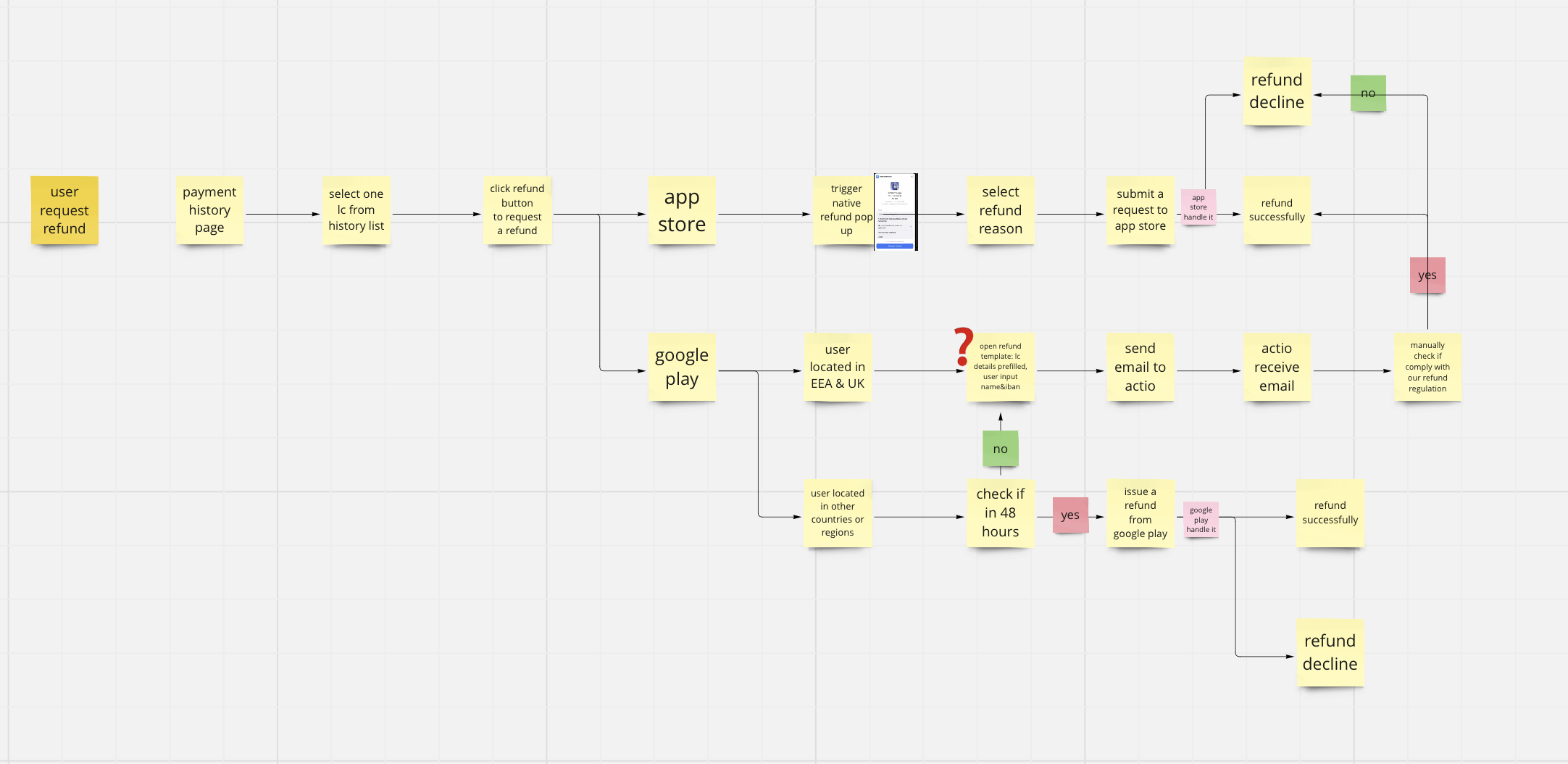
After have workshops with project manager and developers to figure out what would be handled by Stripe and what in-Apple payment structure, I set working on visuals for this massive feature.
From there, I focused on each part at a time: iOS/ Android mobile app; Website; Web app.
IA for the mobile app is representing the app's key features and navigation through the app. It also highlights the difference of IA based on user type [guest or sign up user]
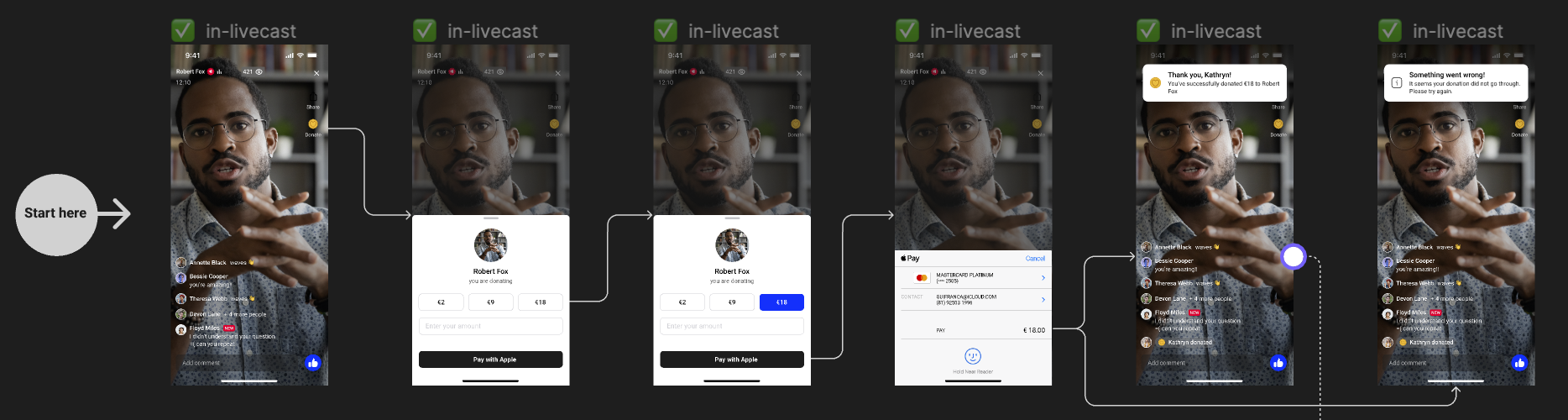
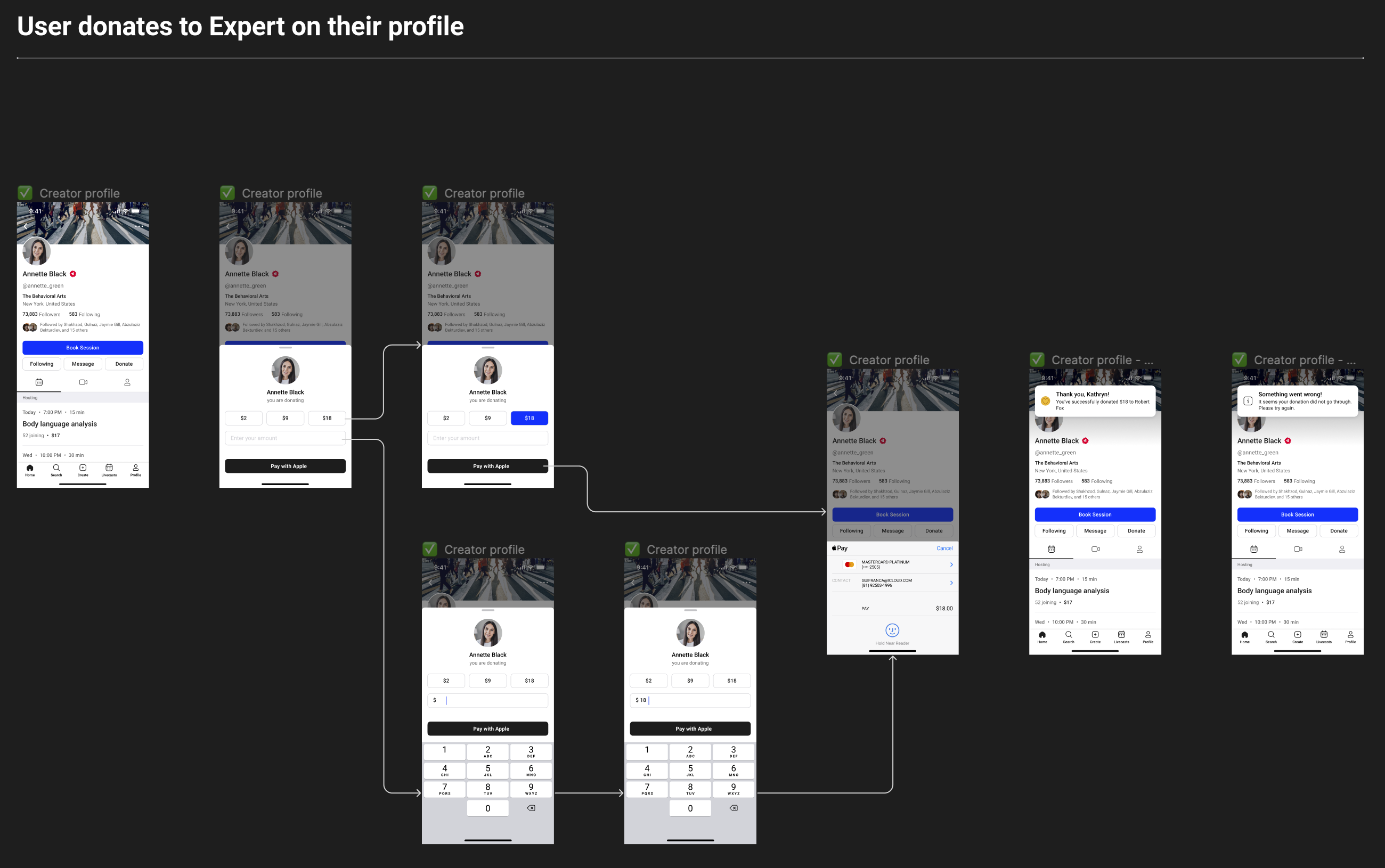
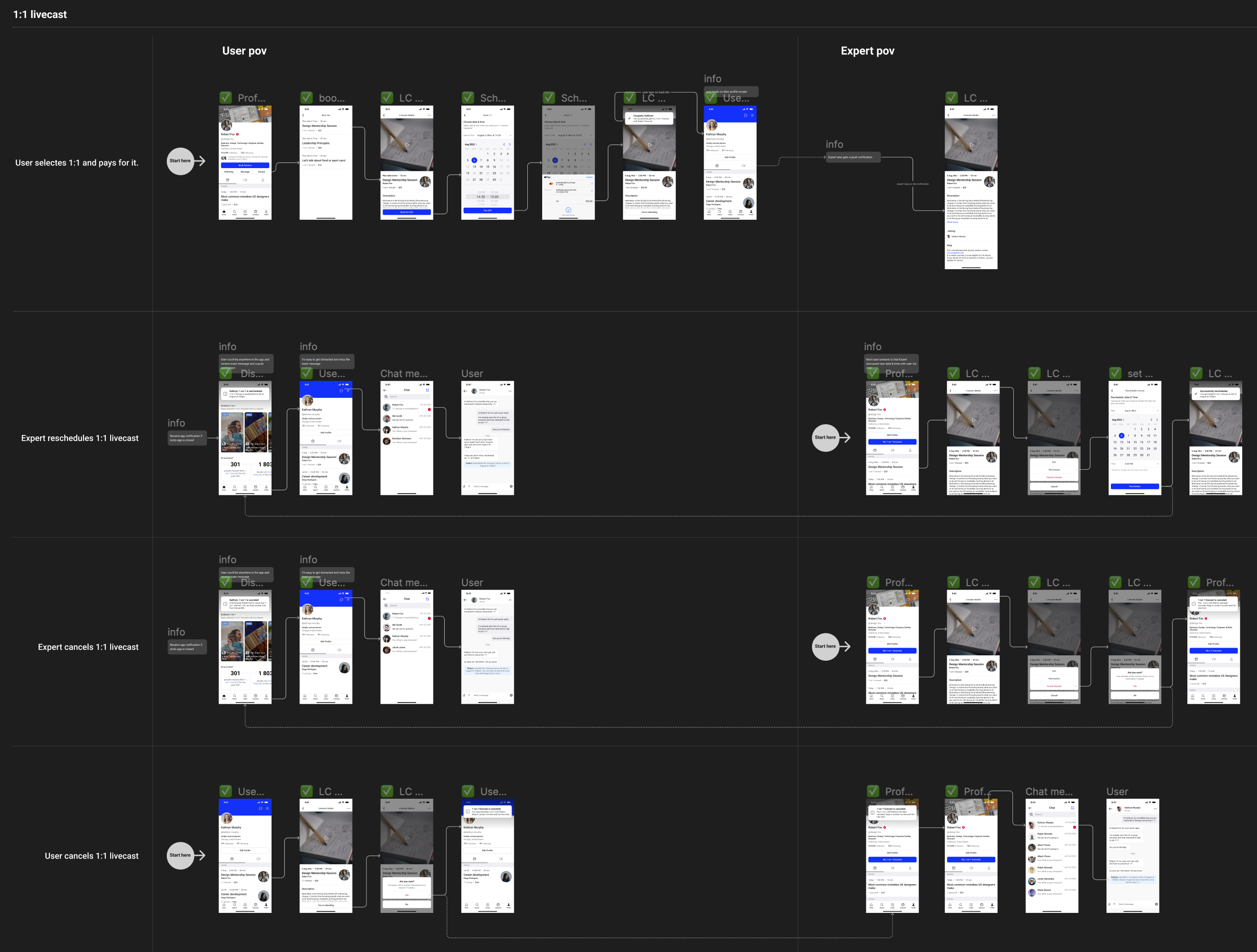
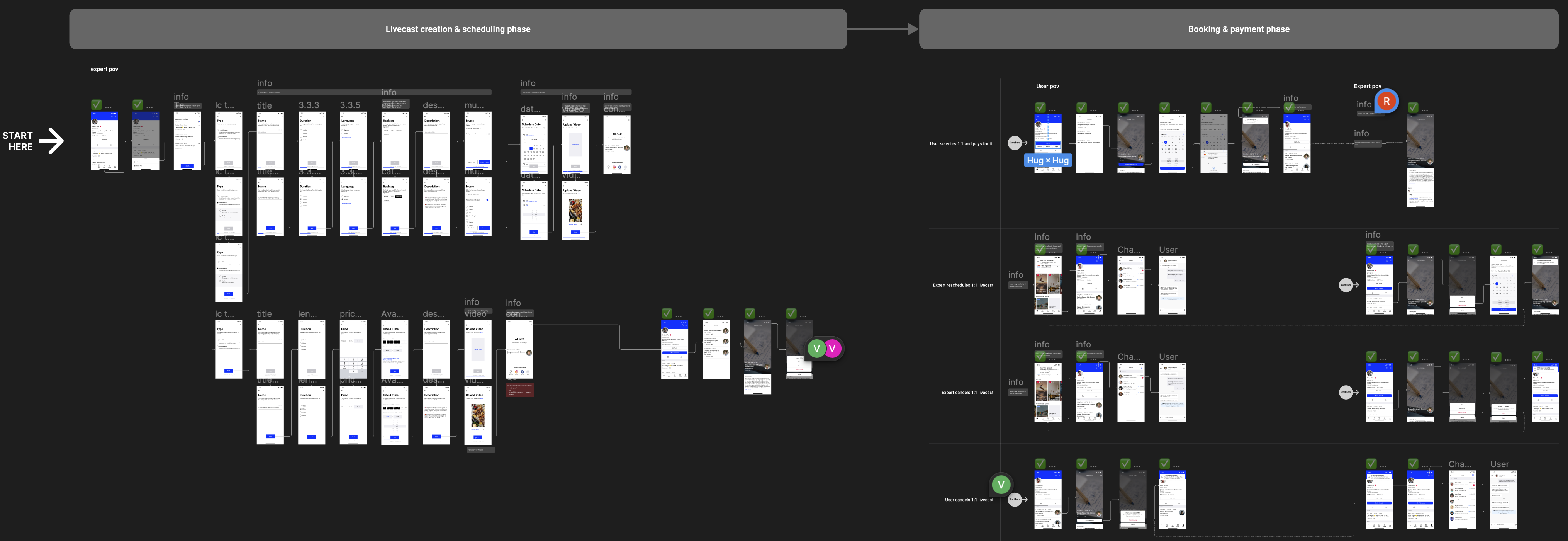
The same work has been done for detailed IA for website & web app with essential features and user goals & navigation in mind.
After the time spent on working on Information Architecture (IA), we run a brainstorm among the teammates [which contains developers, stakeholder and me] in the project to make sure we all are aligned on what we have so far and brainstorm ideas/suggestions.
After that, it was time to focus on wireframes with constant reminders of all the information gathered from user interviews and the business idea itself.
At the end of this Case Study, I have to pinpoint few essential things since this project was a journey with its bumpy roads:
I had a great time doing this project and overcoming my fear and nervousness. I frequently reminded myself that if I divide the entire process into small tangible tasks and stick to the plan step by step, I won't feel overwhelmed and can provide the best result.